
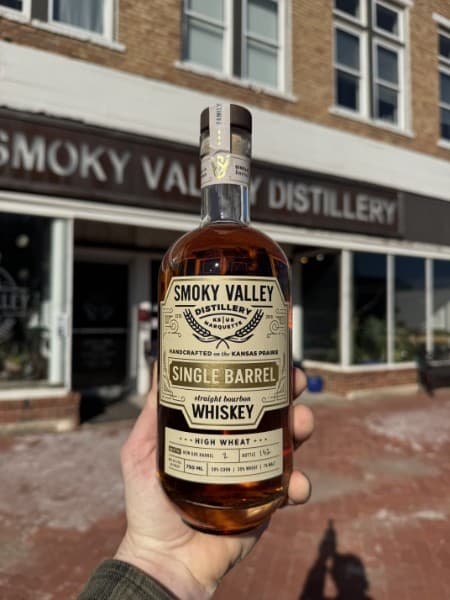
Understanding Wheated Bourbon
All bourbon must be made from at least 51% corn — that's federal law. The remaining grains in the mash bill are where distillers get creative, and that's where wheated bourbon stands apart.
In a traditional bourbon mash bill, the secondary grain is rye. Rye adds spice, pepper, and a robust kick that defines the classic bourbon flavor profile.
In a wheated bourbon, wheat replaces the rye entirely. Wheat is a softer, gentler grain that produces a smoother, sweeter spirit with less spice and more notes of vanilla, honey, and baked bread.
The Mash Bill Difference
| Component | Traditional Bourbon | Wheated Bourbon |
|---|---|---|
| Corn | 60-80% | 60-80% |
| Secondary Grain | Rye (12-20%) | Wheat (12-20%) |
| Malted Barley | 5-15% | 5-15% |
| Flavor Character | Spicy, bold, peppery | Soft, sweet, smooth |
Why We Make Wheated Bourbon
Our Bud & Dewey's wheated straight bourbon is our best-selling spirit — and it's not hard to see why. The wheat in the mash bill produces a bourbon that's incredibly approachable. The sweet cereal and vanilla notes make it perfect for sipping neat, while the soft mouthfeel means it doesn't overpower cocktails.
We named it after two longtime friends whose spirit of sharing good times inspired the recipe. We wanted a bourbon that everyone could enjoy — from the seasoned whiskey drinker to someone trying bourbon for the first time.
How to Taste the Difference
The best way to understand wheated bourbon is to taste it side by side with a traditional bourbon. Here's what to look for:
Nose: Wheated bourbons tend to smell sweeter — look for honey, vanilla, and baked bread rather than the spice and pepper of rye bourbons.
Palate: The mouthfeel is typically softer and rounder. You'll taste more caramel and vanilla, with less of the spicy bite.
Finish: Wheated bourbons often have a gentler, more mellow finish. The warmth is there, but it fades smoothly rather than with a peppery kick.
Visit our tasting room to try Bud & Dewey's alongside our Straight Bourbon (which uses rye) — the difference is immediately apparent. For the sharper version of that experiment, our guide to high rye vs. wheated bourbon sets our two single barrel releases against each other and covers what the research says you can genuinely detect.
Best Cocktails for Wheated Bourbon
Wheated bourbon's softer profile makes it ideal for:
- Old Fashioned with honey syrup instead of sugar
- Bourbon and ginger — the sweetness of wheat complements ginger ale beautifully
- Bourbon sour — wheat's soft character lets the citrus shine
- Neat or on the rocks — wheated bourbon is smooth enough to sip without mixers