
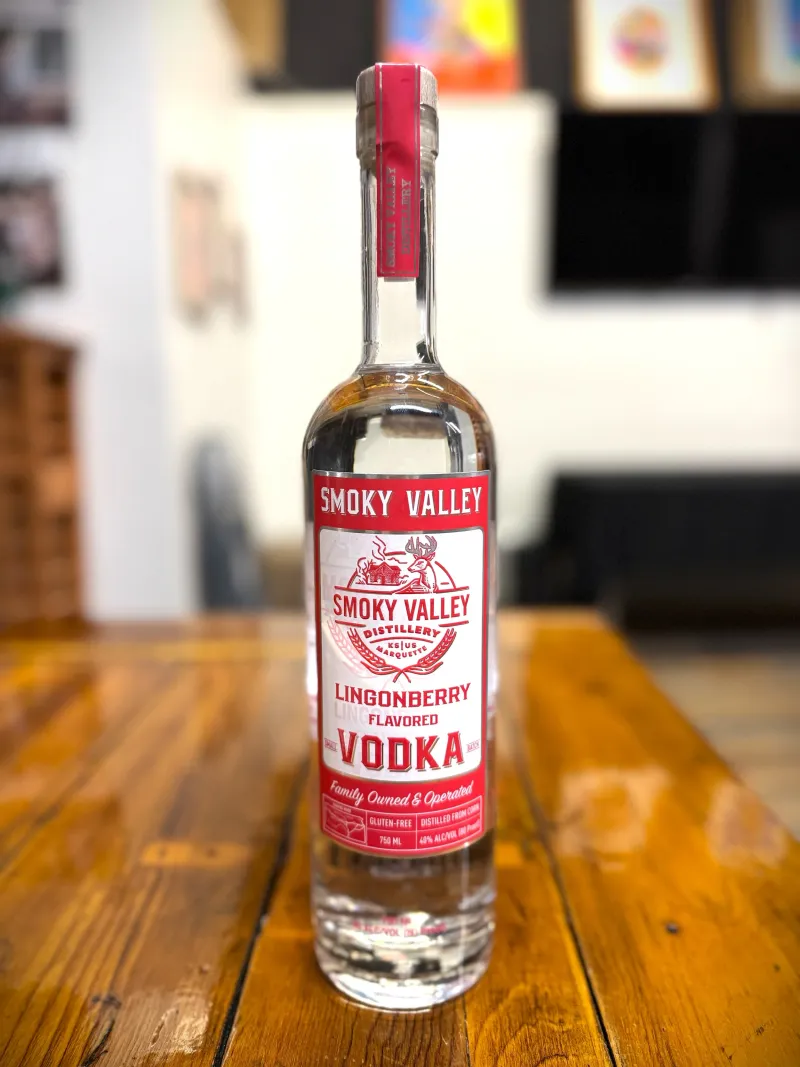
The question we field most often at the tasting room counter is not about mash bills or barrels. It is simpler than that: somebody is holding a bottle of our Wild Plum Vodka, turning it over, and asking what they are supposed to do with it when they get home besides pour it over ice.
Fair question. Vodka is the spirit people own and then stall out on. The bottle lives in the cabinet, it comes out for the same vodka soda every time, and the rest of the lineup on the shelf never gets used.
So here are five drinks with three ingredients or fewer, four of which need nothing beyond a glass, ice, and about twenty seconds.
What Makes a Vodka Cocktail "Easy"
Three rules, and all of them are about what you leave out.
No more than three ingredients, counting the vodka. Garnishes are free.
No equipment you do not already own. A shaker is useful for two of the drinks below and a sealed mason jar does the same job.
No bottle you will use once. The fastest way to abandon a cocktail habit is to buy a liqueur for one recipe and watch it go sticky in the back of the cabinet for three years.
There is one wrinkle specific to vodka, and it cuts both ways. A clean vodka has the least to hide behind of anything on your shelf — no barrel, no botanicals, no smoke. In a three-ingredient drink it cannot lean on the other two. That makes the bottle you choose the single biggest decision in the recipe, which is also the good news, because it means an upgrade in the bottle shows up immediately in the glass.
A practical note on pour size before the recipes: two ounces is the standard measure for a single cocktail. Every Smoky Valley vodka is bottled at 40% ABV, which is 80 proof, and the NIAAA counts 1.5 fluid ounces of an 80-proof spirit as one standard drink. A 2 oz pour is about 1.3 standard drinks. Worth knowing when the second round goes around.
Start With the Bottle, Not the Recipe
Here is the trick that makes short recipes work, and it is the one advantage a distillery with five vodkas can hand you: a flavored vodka replaces an ingredient instead of adding one.
A Lingonberry Spritz is two ingredients that drinks like three, because the tart berry note that would otherwise come from a juice is already in the spirit. That is not a marketing line — it is just where the flavoring sits in the build. If you want the longer version of what "flavored" and "infused" actually mean on a label, we wrote flavored vodka vs. infused vodka about exactly that.
What each bottle brings to a short recipe:
- Premium Vodka — 100% Kansas corn, proofed with sandstone-filtered Kiowa Aquifer water. Clean and faintly sweet with a creamy mouthfeel. This is your base for anything where the other ingredients are the point.
- Wild Plum Vodka — stone fruit and a touch of floral sweetness. Replaces a fruit liqueur or a syrup.
- Lingonberry Vodka — bright, tart, cranberry-adjacent. Replaces cranberry juice, and does it without the sugar load.
- Pickle Vodka — dill and brine on the same corn base. Replaces pickle juice in a Bloody Mary or a dirty Martini.
- Smoked Jalapeno Vodka — hickory smoke plus building pepper heat. Replaces both the hot sauce and the muddled jalapeno.
All five are 750 ml at 40% ABV. If you want to see where that clean corn character comes from in the first place, how vodka is made walks the fermentation and distillation side of it.
Five Easy Vodka Cocktails
1. The Vodka Gimlet (3 ingredients)
- 2 oz Premium Vodka
- 3/4 oz fresh lime juice
- 1/2 oz simple syrup
- Shake with ice, strain into a chilled coupe; lime wheel
The Gimlet is the drink that proves fresh citrus is worth the ninety seconds it takes to squeeze. Shake hard for about twelve seconds — the ice has to move — and strain it off the ice so it does not keep diluting.
The original was gin and lime cordial, and the cordial has a real history: in 1867 Lauchlin Rose, a shipyard owner in Leith, Scotland, patented a way to preserve fruit juice without alcohol and sold it sweetened as Rose's Lime Cordial, which is the version Difford's Guide traces the drink back to. Harry Craddock's 1930 Savoy Cocktail Book ran it as equal parts gin and cordial.
Cordial still works if you have it — use a full ounce and drop the syrup. But fresh lime with a half ounce of simple syrup is sharper, and on a clean corn vodka the difference is obvious.
2. The Lingonberry Spritz (2 ingredients)
- 2 oz Lingonberry Vodka
- 4-5 oz club soda or ginger ale
- Ice; lime wedge
Build in a tall glass over plenty of ice. Pour the soda down the side rather than straight down the middle, so you keep the carbonation. One light stir.
This is the two-ingredient drink we hand people who say they do not like vodka. The lingonberry is tart rather than sweet — closer to cranberry than to a candy fruit — and against plain soda water it reads as a dry berry highball. With ginger ale it gets rounder and a little warmer, which is the version that disappears fastest in December. The same build works with Wild Plum Vodka for something softer and stone-fruit sweet; the Wild Plum cocktail page has the spritz, lemonade, and Collins versions.
3. The Vodka Press (3 ingredients)
- 2 oz Premium Vodka
- 3 oz club soda
- 2 oz lemon-lime soda
- Ice; lemon wedge
Build over ice, stir once. That is the whole drink.
"Press" is short for Presbyterian, which is traditionally Scotch split between soda water and ginger ale — Difford's Guide describes it as a British-style highball, essentially a Scotch and soda with a hint of ginger. Somewhere along the way the Midwest adopted the format, swapped the Scotch for vodka and the ginger ale for lemon-lime, and made it a standing bar order you will hear in half the taverns between here and Kansas City.
It is worth knowing because it solves a specific problem: a vodka soda is too austere for a lot of people and a vodka and Sprite is too sweet. The press is the dial between them, and you can move it — more soda for drier, more lemon-lime for sweeter.
4. The Lemon Drop, Unfussy (3 ingredients)
- 2 oz Premium Vodka (or Wild Plum Vodka)
- 3/4 oz fresh lemon juice
- 1/2 oz simple syrup
- Shake with ice, strain into a chilled glass; sugar rim optional
Same build as the Gimlet with lemon in place of lime, which tells you something useful about cocktails generally: most of them are three or four templates wearing different clothes.
Difford's Guide traces the drink to the Lemon Drop that Norman Jay Hobday made in the 1970s at Henry Africa's in San Francisco, with the martini-glass version becoming popular in the 1990s. The sugared rim is the part people argue about. Skip it and you have a clean, bracing sour; add it and the first sip reads like candy and the rest of the drink reads dry.
Swap in Wild Plum Vodka and you get a plum lemon drop with no additional ingredients — the fruit comes out of the bottle rather than a liqueur. This is the single best demonstration of the substitution idea on this page.
5. The Vodka Martini (2 ingredients)
- 2.5 oz Premium Vodka
- 1/2 oz dry vermouth
- Stir with ice 30 seconds, strain into a chilled glass; lemon twist or olives
Two ingredients, one technique note, and one piece of housekeeping that ruins more Martinis than anything else.
The technique: stir, do not shake. Shaking aerates and clouds a drink that is meant to be silky and clear, and it chips ice into it. Thirty seconds of stirring gets you cold enough.
The housekeeping: vermouth is wine, and it goes off. An open bottle belongs in the refrigerator, and it is past its best within a month or two — not dangerous, just flat and oxidized, and it will drag a good vodka down with it. We covered the same problem from the sweet side in choosing sweet vermouth for a Manhattan, and the storage advice is identical.
Ratio is personal. Half an ounce of vermouth to 2.5 oz of vodka is a reasonable modern dry Martini; a full ounce is a 50/50 that tastes much more like a cocktail and much less like cold spirit. For a dirty Martini, our Pickle Vodka builds the brine into the spirit — the full version is on the pickle vodka cocktails page.
Glassware and Ice — the Two Free Upgrades
Nothing on this page needs special equipment, but two things change the drink out of proportion to what they cost.
Three glasses cover all five drinks. A tall highball for the Spritz and the Press, a rocks glass for anything over a single big cube, and a coupe or Martini glass for the shaken and stirred drinks. A copper mug is the exception worth owning for its own sake — it is the traditional serve for a Moscow Mule or our Smoky Mule, and it keeps the drink genuinely colder in your hand.
Use more ice than feels right. The most common home-bar mistake is a half-filled glass of small cubes, which melt fast and water the drink down before you are halfway through. A full glass of ice melts slower than a few cubes, because there is less exposed surface per cube and the whole glass stays colder. For rocks pours, freeze water in a silicone mold and use one two-inch cube.
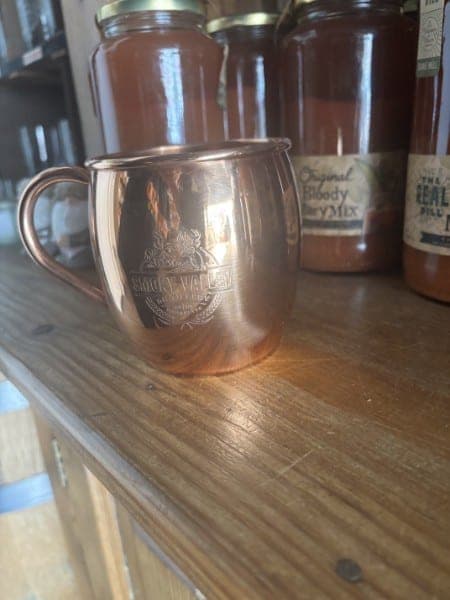
Copper Mule Mug
$19.95A classic copper mug engraved with the Smoky Valley crest — the traditional way to serve a Moscow or Smoky Mule ice-cold.
View in the shop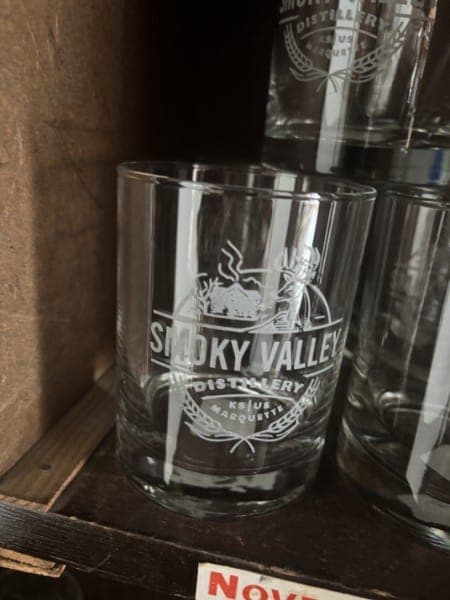
Old Fashioned Glass
$19.95A heavy-bottomed rocks glass etched with our crest — built for an Old Fashioned, a bourbon on the rocks, or a neat pour.
View in the shopIf you are building the rest of a home bar around these, home bar essentials covers the tools, the mixers, and the bottles worth having before you buy anything specialized.
Five Things That Flatten an Easy Vodka Drink
Bottled citrus. In a three-ingredient drink the lemon or lime is a third of the recipe. Bottled juice is cooked and preserved and tastes like it, and no vodka is good enough to cover for it.
A warm or stale mixer. Soda water opened yesterday is just water. Buy small bottles or cans, keep them cold, and open them at the moment you pour.
Not enough ice. See above. This one is free to fix and it is the difference between a crisp drink and a watery one.
Doubling the flavor. Pickle Vodka plus a slug of pickle brine, or Lingonberry Vodka plus cranberry juice plus a berry syrup, overshoots. The whole point of a flavored vodka in a short recipe is that it takes a slot, not that it stacks on one.
Freezer-cold flavored vodka. Cold suppresses aroma. That is exactly what you want for unflavored vodka in a Martini and exactly what you do not want in a plum or lingonberry drink, where the fruit note is the reason you reached for the bottle. Does vodka go bad? goes further into what the freezer does and does not do, and why flavored bottles are the ones that need a dark cabinet.
Where to Get the Bottles
Kansas law does not allow a distillery to ship spirits, so our vodka comes from the tasting room at 105 N. Washington in Marquette — Thursday through Saturday — or from one of our retail partners across Kansas, including stores in Salina, Hutchinson, McPherson, and Wichita.
If you can make the drive, a tasting and tour is $10 per person and runs 30 to 45 minutes by appointment. All five vodkas are in the flight, which is the fastest way to find out whether you are a Lingonberry person or a Pickle person before you commit to a bottle. While you are in the shop, the etched glassware and barware on the counter will cover the glass problem in one trip.
For more vodka drinks, the five classic vodka cocktails page has the Vodka Soda, Tonic, Cape Codder, Screwdriver, and Greyhound builds, and there are dedicated recipe pages for Wild Plum, Smoked Jalapeno, and Pickle Vodka. The whole vodka lineup is worth a look if you only know us for bourbon.
The Short Version
An easy vodka cocktail is three ingredients or fewer, built in the glass unless there is citrus in it, and poured at two ounces.
The bottle matters more than the recipe, because in a drink this short there is nothing else to blame.
And the shortcut that makes two-ingredient drinks taste like three: let a flavored vodka take one of the slots. That is the entire reason we bottle five of them.