
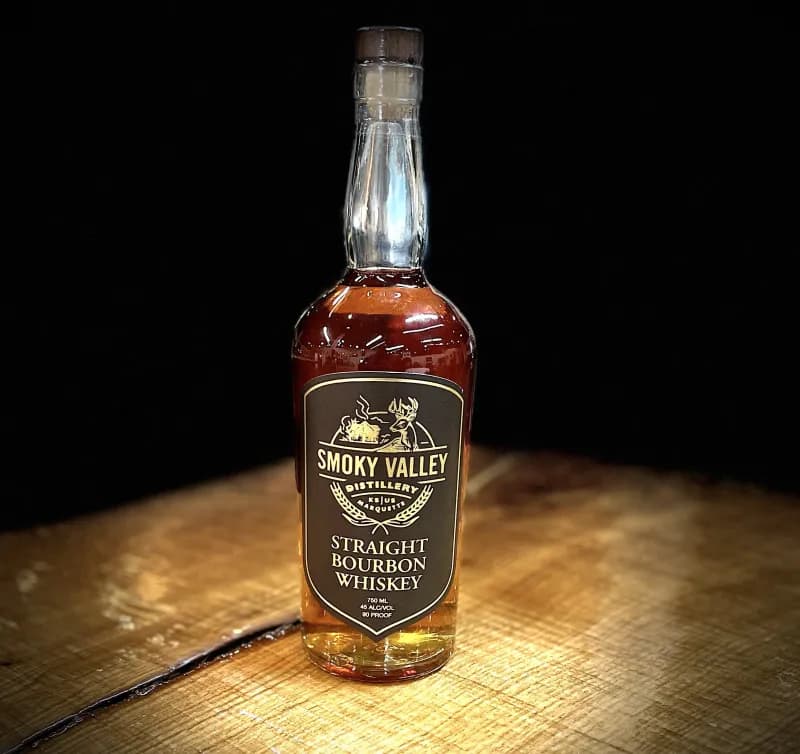
Bourbon and beer get treated like a novelty pairing — the thing you order at the end of a long week, or drop into a pint glass on a dare. That undersells it badly. The two drinks are closer relatives than almost anything else behind a bar, and if you treat the pairing seriously it rewards you.
Here is the pairing logic, the boilermaker done properly, and four bourbon beer cocktails worth the ingredients.
Every Bourbon Starts Out as Beer
This is not a metaphor. Walk into our production room on a mash day and what is fermenting in the tanks is, functionally, beer.
We mill grain, cook it with water from the Kiowa Aquifer to convert its starch to sugar, and pitch yeast. The yeast eats the sugar and makes alcohol. What you end up with is a grain wash that distillers call distiller's beer — and it is beer in every meaningful sense but one: no hops. Brewers add hops for bitterness, aroma, and preservation. Distillers skip them, because everything volatile enough to matter is about to go through a still anyway.
From there the paths split. A brewer carbonates and packages. We run the wash through the still, put the spirit into new charred oak, and wait. Federal law is specific about the rest: to be called bourbon, 27 CFR 5.143 requires a mash of at least 51% corn, distillation at no more than 160 proof, and storage in charred new oak containers at no more than 125 proof.
So when a bourbon and a beer sit next to each other, they are two answers to the same question — what do you do with a tank of fermented grain? That shared origin is why the pairing works, and it is also the key to pairing them well. Match the grain and you are most of the way there.
What a Boilermaker Actually Is
Merriam-Webster puts it plainly: a drink of whiskey followed by a beer chaser. A shot and a beer. That is the whole recipe.
There are two ways people serve it, and they are not equivalent.
Side by side. The bourbon in one glass, the beer in another, both on the bar in front of you. You sip one, then the other, back and forth. This is the version worth your time. You taste the bourbon at full strength and room temperature, the beer cleans up after it, and the whole thing lasts as long as you want it to.
The dropped shot. The shot glass goes into the pint glass, bourbon and all. Also called a depth charge. Two things happen immediately: the bourbon gets cold, which mutes its aroma, and it gets buried under carbonation, which mutes the rest. The beer foams up and starts going flat, so now you are on a clock. That is the intent — it is a drink designed to be finished in a hurry — but there is no reason to spend money on good bourbon to make one.
If you want the drink to taste like something, keep the glasses separate.
The Math, Briefly
A boilermaker is about two standard drinks. The NIAAA counts 12 ounces of 5% ABV beer as one standard drink and 1.5 ounces of 40% ABV spirits as another, because each contains roughly 0.6 fluid ounces of pure alcohol. Our bourbons come out of the bottle at 45%, so the shot side is a little above one. Two of these is four drinks. Pace accordingly.
Pairing the Beer to the Bourbon
There are two useful strategies, and they pull in opposite directions.
Echo it. Malt-forward beers — stout, porter, brown ale, bock — carry roasted grain and caramel, the same register a charred barrel puts into bourbon. Pair along that line and the flavors stack. The drink gets deeper rather than wider.
Cut it. A cold, dry, lightly flavored beer — pilsner, American lager, a plain wheat beer — does the opposite job. It scrubs the palate between sips so the next pour of bourbon lands as clearly as the first. If you are drinking a big oaky bourbon over an evening, this is the better companion.
What generally does not work is a heavily hopped IPA. Hop bitterness is persistent and it sits right where the barrel tannin sits, so the two crowd each other and the bourbon comes out tasting thin. If IPA is what is in the fridge, drink it first and pour the bourbon after.
Beer styles here follow the definitions in the BJCP style guidelines, which are the standard reference for what a given style is supposed to taste like.
| Beer style | Pour it beside | Why it works |
|---|---|---|
| American lager or pilsner | Straight Bourbon (45% ABV) | Cold and neutral. Resets the palate so an oak-forward pour keeps its edge all evening. |
| Hefeweizen or American wheat | Bud & Dewey's (45% ABV) | Wheat on both sides of the bar. Soft, bready, and about as easy as pairing gets. |
| Oatmeal or milk stout | Smoked Straight Bourbon (45% ABV) | Roasted malt meets hickory smoke. The most dramatic pairing on this list. |
| Brown ale or bock | High Wheat Single Barrel (45% ABV) | Caramel malt against the honey-and-butterscotch side of a high-wheat mash bill. |
| Amber ale or märzen | High Rye Single Barrel (35% ABV) | Malt sweetness gives the rye pepper something to push against instead of standing alone. |
The same weight-matching principle runs through bourbon and food pairing, and for the same reason: a 45% ABV pour flattens anything delicate next to it, whether that is a poached fish or a light lager you chose for flavor rather than function.
You Need Two Glasses, Not a Shot Glass
The side-by-side boilermaker asks something small of you: pour the bourbon into a glass you can smell out of. A shot glass has a rim as wide as its bowl and about an inch of headspace, which is to say it is built for throwing back, not for nosing. Put an ounce and a half into a tulip-shaped glass instead and the difference is immediate — the aroma collects above the liquid and reaches you before the beer does.
A rocks glass is the other honest answer, particularly if you want a single large cube in there. Both shapes, and the reasoning behind each, are covered in our whiskey glassware guide.
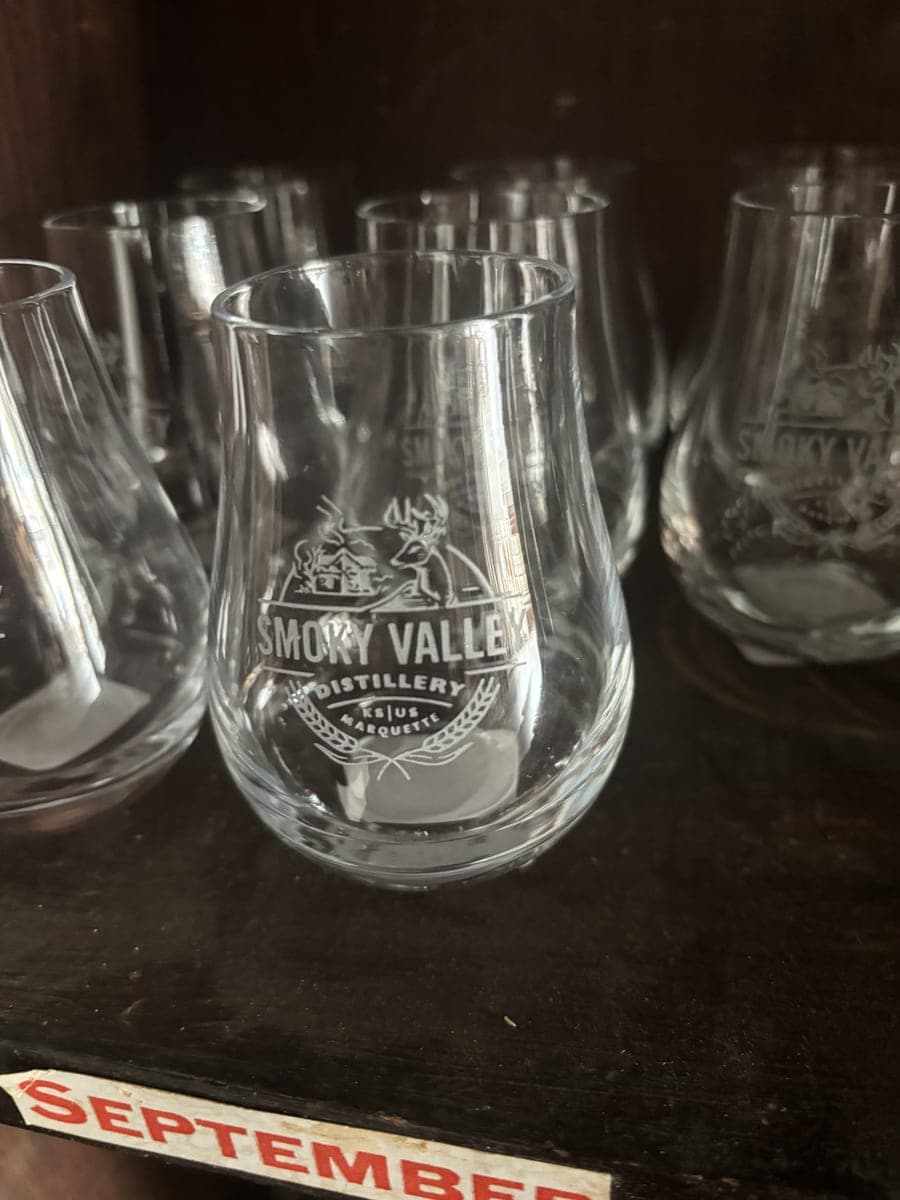
Logo Tasting Glass
$16.95A tulip-shaped nosing glass etched with the Smoky Valley Distillery crest — shaped to concentrate aroma for tasting our bourbon and whiskey neat.
View in the shop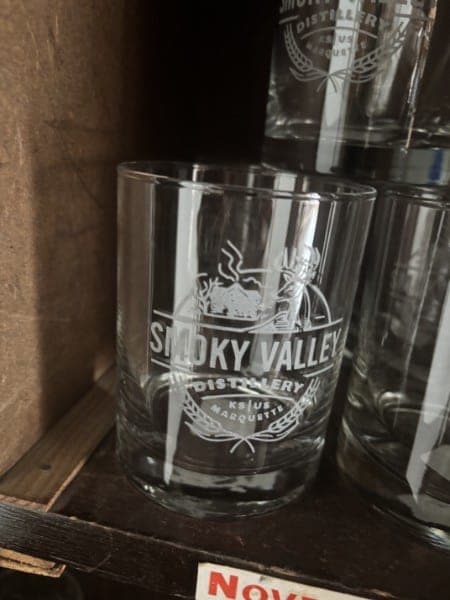
Old Fashioned Glass
$19.95A heavy-bottomed rocks glass etched with our crest — built for an Old Fashioned, a bourbon on the rocks, or a neat pour.
View in the shopFour Bourbon Beer Cocktails
1. The Boilermaker, Done Right
- 1.5 oz bourbon
- 12 oz cold beer, style matched from the table above
Pour the bourbon into a nosing glass and the beer into its own glass. Set them side by side. Sip the bourbon, then the beer, and let each one clean up after the other. That is it — there is nothing to build, and that is the point.
Start with our Straight Bourbon and a cold lager if you have never done it deliberately. It is the clearest demonstration of why the pairing works.
2. The Bourbon Shandy
- 1.5 oz Bud & Dewey's Wheated Bourbon
- 0.5 oz fresh lemon juice
- 0.5 oz simple syrup
- 6 oz cold wheat beer
Stir the bourbon, lemon, and syrup in a tall glass with ice until cold. Top with the wheat beer and give it one gentle turn — no more, or you will knock the carbonation out. Lemon wheel to garnish.
A shandy is traditionally beer and lemonade, and this is that drink with a distillery's hand in it. The wheated mash bill matters: soft wheat blends into a wheat beer instead of fighting it. This is the summer version of the pairing, and it goes down faster than its strength suggests.
3. The Stout Pour
- 1 oz Smoked Straight Bourbon
- 8 oz oatmeal or milk stout
Pour the stout first and let the head settle. Then pour the bourbon slowly down the inside of the glass. Do not stir.
The bourbon threads through the beer instead of dissolving into it, so the first few sips are smoke and roast layered rather than blended. Our smoked bourbon is finished with hickory smoke, which lands almost exactly where a stout's roasted barley does. This is a cold-weather drink and a slow one.
4. The Beer Sour
- 2 oz bourbon
- 0.75 oz fresh lemon juice
- 0.5 oz simple syrup
- 2 oz cold pilsner or lager, to top
Shake the bourbon, lemon, and syrup hard with ice. Strain into a rocks glass over one large cube. Top with the beer.
This is a whiskey sour that traded its soda water for something with flavor. The beer's carbonation lifts the drink and its faint bitterness does the job an egg white usually does — rounding off the lemon without adding sweetness. Use a clean, dry lager; anything hoppy turns the finish harsh.
Four Things That Go Wrong
Warm beer, cold bourbon. The most common mistake is backwards on both counts. Beer should be cold. Bourbon should be at room temperature, where its aromatics are actually volatile. If the bourbon has been in the freezer, you will taste almost nothing.
Too much bourbon in the glass. In a mixed drink, beer is the volume and bourbon is the seasoning. One to one and a half ounces into six to twelve ounces of beer. Double it and you get something warm, foamy, and muddled.
Stirring a carbonated drink like a cocktail. One slow turn. Bar spoons and beer are not friends.
Using the good bottle. A single barrel release is a single barrel release because it tastes like nothing else in the rickhouse. Pour it neat, taste it properly using the step-by-step method we use in the tasting room, and mix with something you can replace.
Where to Take This Next
If you want the broader picture of how bourbon gets drunk day to day — neat, on the rocks, and in two-ingredient highballs — that is bourbon drinks, and it covers the mixers beer does not. If you want to know what is happening in those tanks before any of this starts, how bourbon is made walks the whole process from grain to barrel.
All five of our Kansas bourbons are made here in Marquette, and each one pairs differently. Come sit down with them: a tasting and tour is $10 per person, runs 30 to 45 minutes, and is available Thursday through Saturday by appointment. Bring your own opinion about the IPA question.